 |
 |

 |
 |
 |
 |
 |
 |
 |
 |
 |
 |
 |
 |
 |
Ancient Collatina street
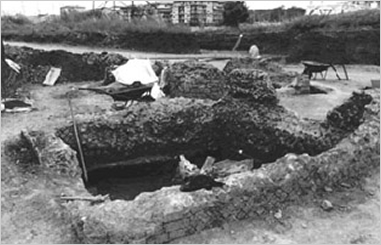
The area affected by archaeological excavation, a long strip of land 300 m wide and 20 m returned numerous emergencies related to an ancient necropolis dating back presumably to the first imperial age.
Among the ruins stands out because of the importance the ancient Via Collatina, whose path crosses the entire area of excavation.
The road has been used throughout the section shown (80 m), paved with large flakes of polygonal basalt that retain traces of the passage of wagons.
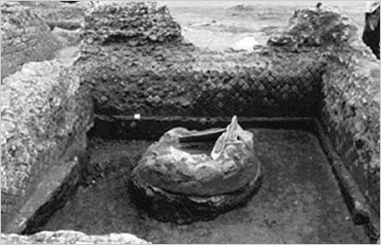
Near the northern side have been brought to light many funerary buildings of different sizes, conservatisi for an average height of 1m and covered by the typical curtain wall made of blocks of tufa seats up to 45 ° (opus reticulatum).
Some of these buildings have returned more or less buried intact, which have been dug with the help of archaeologists and anthropologists.
The excavated area is the western part of a wider and articulated necropoli hitherto unknown part of which has yet to be brought into light.

Italian